Leadership programDyninno Group
Talent Academy Leadership Program
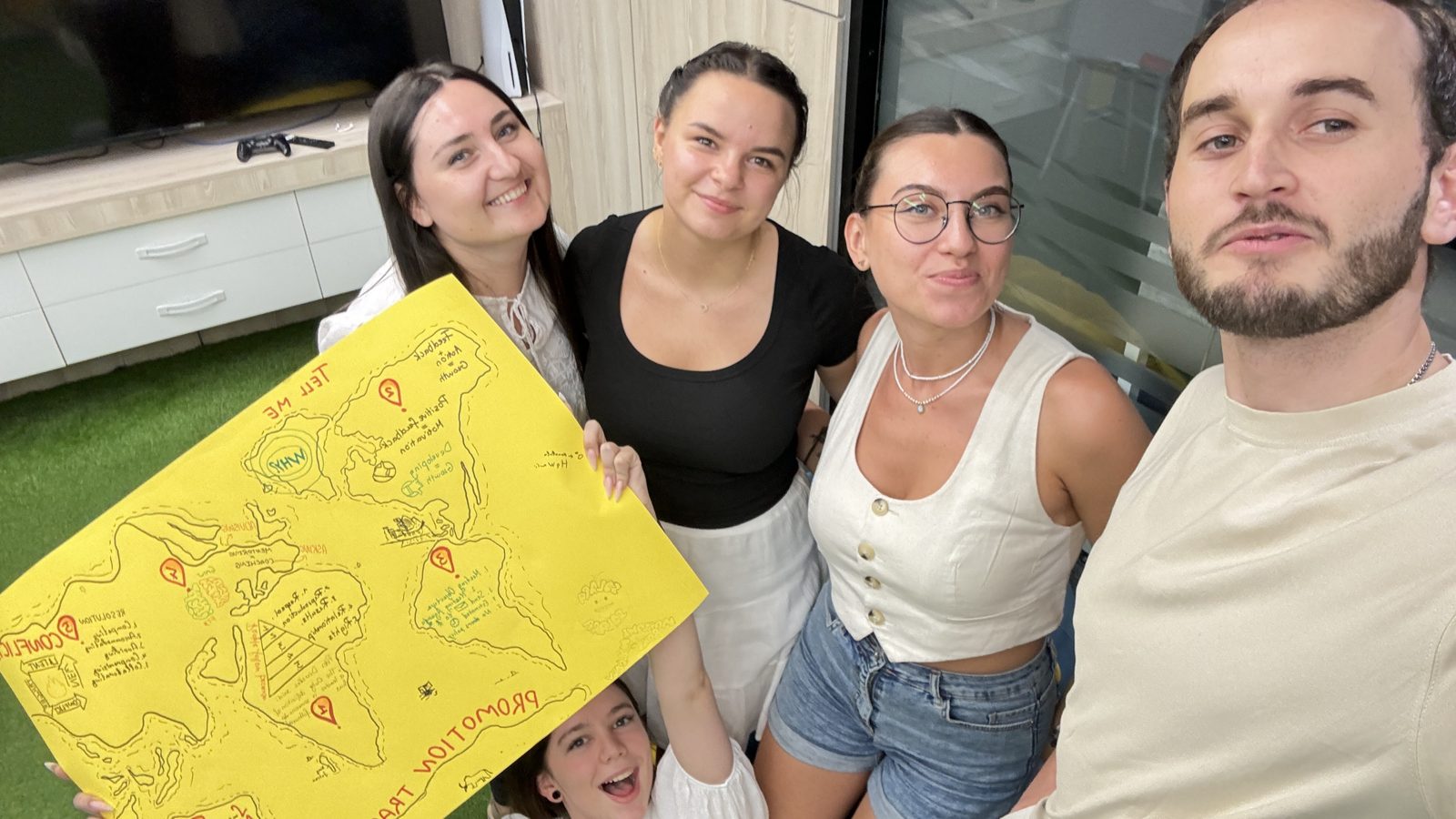
A 3 to 4 month promotion track for sales agents who want to be promoted into a leadership role: 7 instructor-led trainings, on-the-job tasks, 360 feedback and an assessment center. It replaced promotion decisions based on one manager's opinion.
- Audience
- Sales agents who want to lead
- Format
- In-person program, 3 to 4 months
- My role
- Co-design with the Global L&D Manager, trainings, assessments, facilitator and assessor, replication guide
- Tools
- PowerPoint, Miro, SharePoint, Google Sheets and Forms
- Problem
- Promotions rested on a manager's opinion and a test that couldn't show how someone works day to day.
- What I did
- Co-designed and piloted the promotion track, built the trainings and assessments, and wrote the guide other offices run it from.
- Result
- 185 candidates, 83 approved, 52 promoted. 4 more locations launched it using the replication guide.
Problem and goal
There was no reliable way to decide who was ready to be promoted into a leadership role.
- Promotions rested on a manager's opinion and a competency test.
- The test measured knowledge on one day. It did not show how a person performs week to week or takes responsibility for others.
- Agents did not know what it took to get promoted.
GoalPromotions that are understandable, transparent and objective, open to every agent who meets the criteria.
The program
Every candidate goes through the same four stages and knows the criteria from the start.
- Pre-trackLaunch, selection criteria, applications
- Educational7 trainings, on-the-job tasks, hard-skills mentoring
- Assessment360 feedback, assessment center, committee review
- Post-trackApproved: talent pool. Not yet: a development plan with L&D follow-up
The seven trainings
Between trainings, candidates practice on the job. They run a real 1:1, a team meeting and a coaching conversation, so each skill is used with real people before the assessment.
A committee of HR, management and Academy representatives decides. Four parts count equally:
How a training is designed
All seven trainings follow one design, so any facilitator can run them and trainees know the rhythm from the first session. Each is 1.5 hours, in person, and comes as a deck, a facilitator guide, and printed activities in two versions: one for trainees, one for the trainer with model answers.
- Agenda with timingsTrainees see the plan and how long each block takes.
- Short concept block10 to 20 minutes, built on a story or a workplace example.
- Practice right afterA 15 to 20 minute activity with a printed handout.
- DebriefAnswers compared, then key takeaways to close.
The practice changes with the skill: a SMART goals exercise, a constructive feedback exercise, NVC in practice, coaching with GROW in groups, a 1:1 role play, a team meeting simulation.
Example: Training 5, Managing difficult behavior and conflict
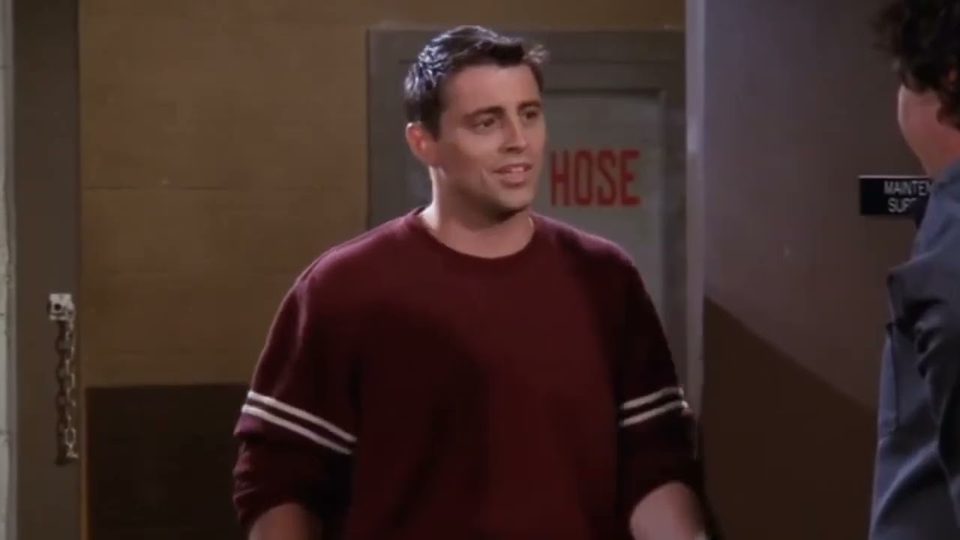 Activity videoA Friends scene for spotting conflict-handling modesI cut this scene from Friends for the activity. Open on YouTube
- What trainees do
- Learn the five conflict-handling modes.
- Watch the scene and mark each character's mode on a printed handout.
- Compare answers as a group; the trainer has the answer sheet.
- Learn VOCAB, then resolve a printed workplace conflict with it, using NVC for the conversation.
- Share their resolution with the group.
- Why this sequence
- Trainees first name the modes in a funny scene that isn't anyone's conflict in the room. Then they apply a method to a realistic case of their own.
Results
Figures from the monthly Talent Academy report, September 2026. Another 16 approved candidates are waiting for an open position.
Other locations run the program from my replication guide: every stage with selection rules, email templates and checklists, plus a slide deck, facilitator guide and printable activities for each training.